
Anti-termite soil treatment places termiticide in the ground under and around a building, so subterranean termites coming up from the soil cannot reach it. For a new build it is applied to the open soil before the floor slab is cast. For an existing house it is injected through small drilled holes, which at R Termites starts from RM1950 with a 5-year warranty.
What is anti-termite soil treatment?
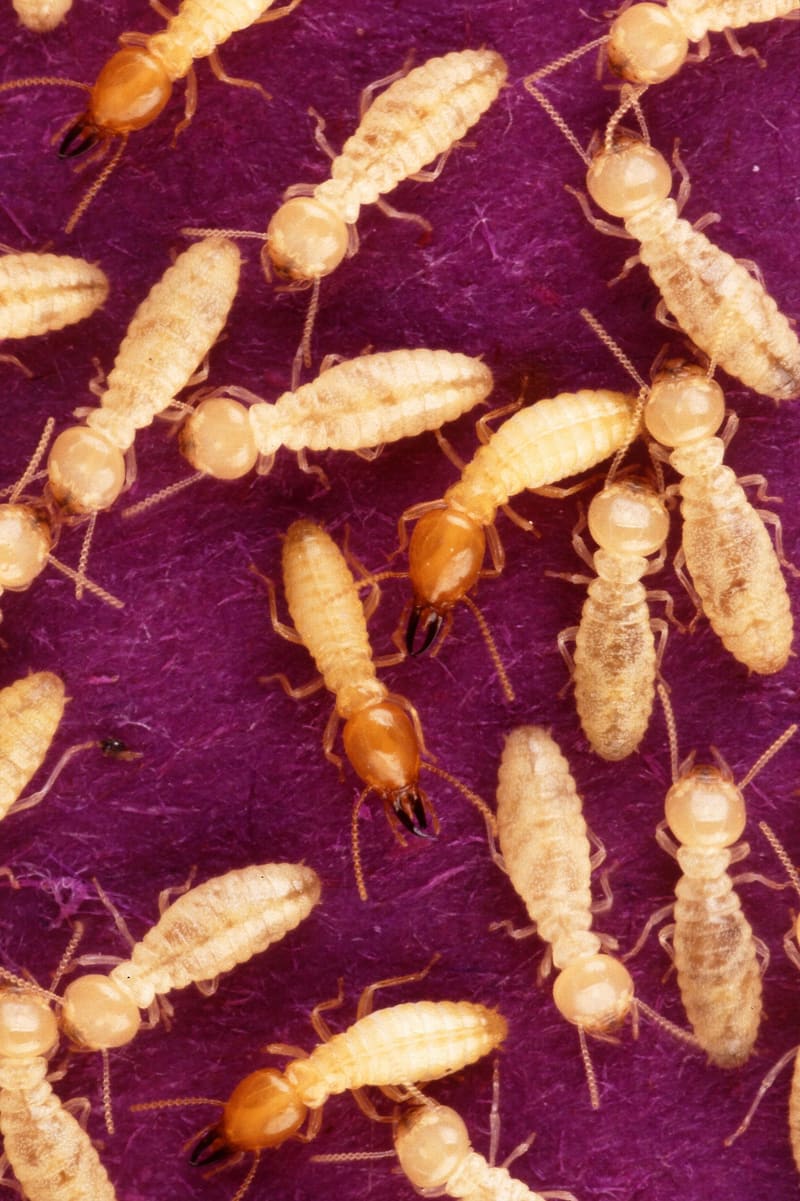
A treated zone in the ground that termites cannot cross to reach the building. The termites that damage most Malaysian houses are subterranean: they nest in the soil and travel upwards through cracks in the floor slab, wall joints and the gaps around pipes. Treat the soil they have to pass through, and the house above is protected.
It is done in two ways, depending on whether the building exists yet.
| Pre-construction soil treatment | Corrective soil treatment | |
|---|---|---|
| For | New builds and extensions | Existing houses and renovations |
| How | Termiticide applied to open, compacted soil | Termiticide injected through small drilled holes |
| When | Before the vapour barrier and slab | Any time; easiest during a renovation |
| Our price | Quoted by floor area | From RM1950 |
| Our warranty | Confirmed in the quotation | 5 years |
Source: R Termites Malaysia Services price list, November 2026.
Soil treatment before construction
It has to happen at one specific point in the build. After the ground has been levelled and compacted, and before the vapour barrier and concrete go down, the soil is treated across the floor area. Wall lines, pipe entries and expansion joints get particular attention because those are where termites come through later.
The timing is the whole point. A day after the slab is poured, the same soil is sealed under concrete. That is why we ask owners and contractors to call us before the slab date, not after it. The stages are set out on our anti-termite treatment page.
Much new housing in the Klang Valley stands on former plantation or scrub land where termite colonies were already established, which is why treating at construction stage is so widely done.
Soil treatment for an existing house
The chemical goes in through the floor. Small holes are drilled along the inside and outside of the walls and termiticide is injected into the soil below, building the same kind of treated zone a new house gets before its slab. The full process is in our termite corrective treatment guide.
A renovation is the best time, because floors are open and nothing has to be moved. See the guide to anti-termite treatment during a renovation.
What soil treatment does not do
It blocks the route; it does not hunt down the nest. A soil treatment protects the building it surrounds. The colony itself may still be alive in the ground nearby, in a neighbour's garden or under a tree.
Two practical consequences:
- Gaps matter. A later extension, a new drain or a dug-up garden bed can break the treated zone. New floor area needs its own treatment.
- Active termites inside may need baiting. If termites are already feeding in the roof timbers or cabinets, a termite baiting system uses those termites to carry bait back and eliminate the colony.
Many owners use both: soil treatment to close the ground route, bait stations to deal with the colony. The choice is explained in termite baiting vs chemical treatment.
Get a quotation
Building, extending or protecting an existing house in the Klang Valley? WhatsApp us your location and the stage of the build. The quotation is free. Prices for every treatment are in the termite treatment cost guide, and the service itself is described under anti-termite treatment.