
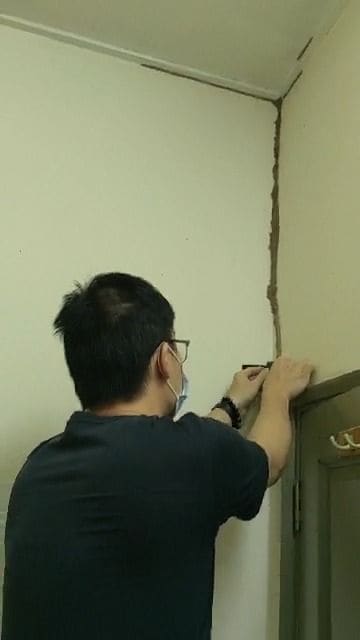
There are four types of anti-termite treatment used in Malaysia: pre-construction soil treatment for new builds, chemical injection (drill and inject) for existing houses, termite baiting to eliminate the colony, and spot treatment for small contained activity. At R Termites, chemical injection starts from RM1950 with a 5-year warranty and Sentricon baiting from RM899 with a 5-year warranty.
The four types at a glance
Each type solves a different problem, so the right one depends on the building and on what the termites are doing.
| Type | What it does | Best for | Our price | Our warranty |
|---|---|---|---|---|
| Pre-construction soil treatment | Treats the open soil before the slab | New builds, extensions | Quoted by floor area | Confirmed in the quotation |
| Chemical injection (drill and inject, also called corrective treatment) | Injects termiticide into the ground through drilled holes | Existing houses, renovations | From RM1950 | 5 years |
| Termite baiting system (Sentricon®) | Termites carry bait back; the colony is eliminated | Active infestations, ongoing protection | From RM899 | 5 years |
| Spot treatment | Treats one small affected area directly | Small, contained activity | Quoted per job | Confirmed in the quotation |
Source: R Termites Malaysia Services price list, November 2026.
1. Pre-construction soil treatment
The treatment a house gets before it exists. Once the ground is levelled and compacted, and before the vapour barrier and concrete, the soil across the floor area is treated so that termites coming up later meet treated ground.
It can only be done at that stage of the build. Miss it, and the same protection later means drilling through the finished floor. Details are in the anti-termite soil treatment guide.
2. Chemical injection (drill and inject)
Soil treatment for a house that is already built. Small holes are drilled along the walls and floor edges and termiticide is injected into the ground underneath. This is our anti-termite treatment for existing landed houses, and the one with our longest warranty, 5 years.
It is easiest during a renovation, when floors are open. The process is explained step by step in the termite corrective treatment guide.
3. Termite baiting
The only type that goes after the colony itself. Bait stations are placed in the ground around the building and directly on active mud tubes indoors. Worker termites feed on the bait and share it in the nest, and the colony is eliminated over the following weeks and months.
Baiting needs no drilling and suits homes where termites are already feeding in cabinets, door frames or roof timbers. It is a process with follow-up visits, not a single treatment: see how the termite baiting system works and how long termite bait stations take.
4. Spot treatment
For a small problem that is clearly contained. Where activity is limited to one item or one small area, the affected spot can be treated directly and then monitored. We say so plainly when that is enough, and equally when it is not.
Spot treatment is not the same as buying a can of termite spray. A DIY spray applied to a mud tube tends to scatter the termites to another part of the house. See does termite spray work?
Which type does your property need?
Start from the situation, not from the product.
- Building a new house or extension: soil treatment before the slab.
- Renovating: chemical injection while the floor is open, plus an inspection of the old structure.
- Live termites inside the house: baiting, often together with chemical injection.
- Condo or apartment unit: usually baiting or spot treatment, because there is no soil under the unit to inject. See termite treatment for condos.
- No termites seen, older landed house: an inspection first.
Chemical injection and baiting are compared in more depth in termite baiting vs chemical treatment.
Get a recommendation for your property
The termite inspection is how we decide between these. WhatsApp us a photo and your area in the Klang Valley, and we will tell you which anti-termite treatment fits, with a written quotation. Prices are explained in the termite treatment cost guide.