
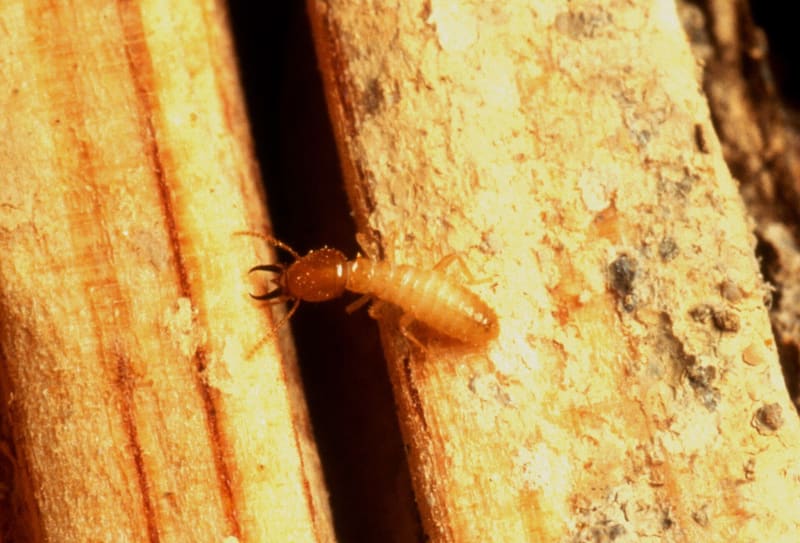
Termites (called anai-anai in Malay and 白蚁 in Chinese, and often "white ants" in Malaysian English) are wood-eating insects that live in large underground colonies. In Malaysia the most damaging kind is the subterranean termite, which travels from the soil into buildings through mud tubes and eats timber from the inside. The only lasting fix is to eliminate the colony, not just the termites you can see.
What is anai-anai in English?
Anai-anai is the Malay word for termites. In everyday Malaysian English, people often call them white ants, because the workers are pale and about the size of an ant. They are not ants at all: termites are more closely related to cockroaches. In Chinese they are called 白蚁 or 白蚂蚁.
So if you search "anai anai in english" or "termites in malay", the answer is the same insect: termite = anai-anai = white ant = 白蚁. Flying termites, which swarm around lights after rain, are called kelkatu in Malay (and 大水蚁 by many Chinese-speaking Malaysians).
What are termites?
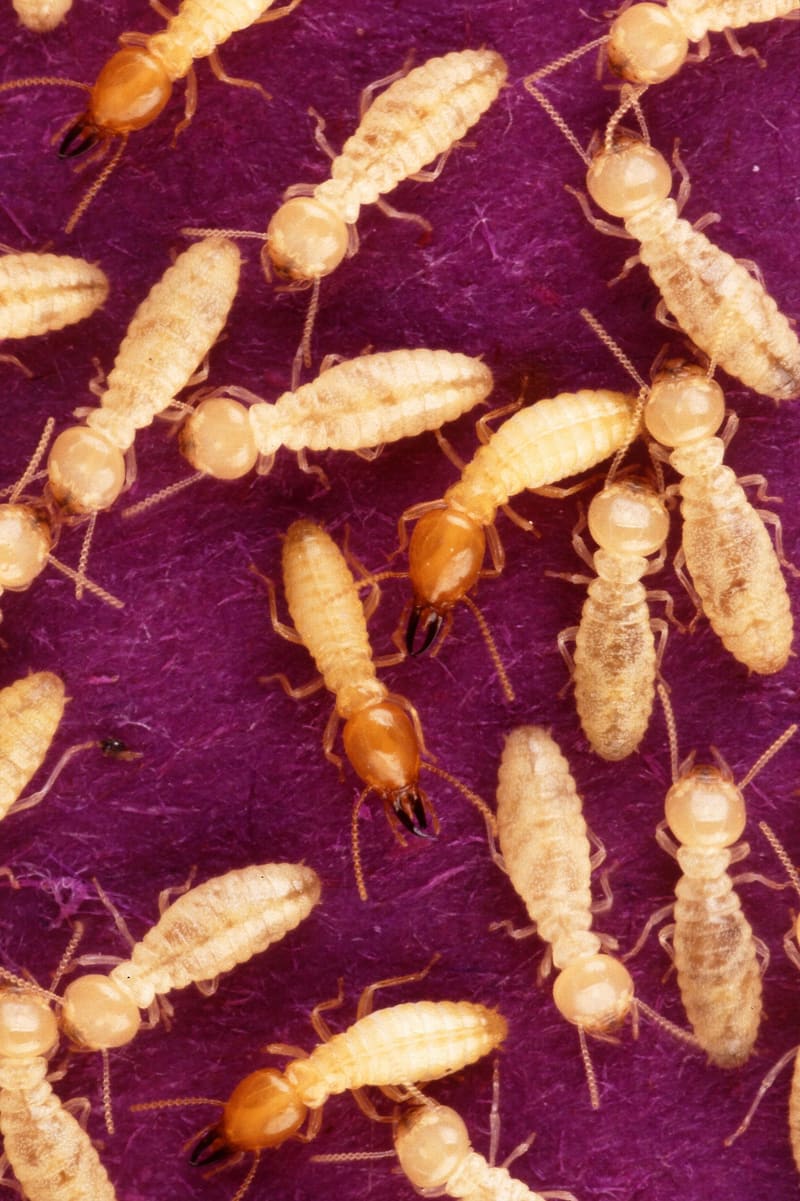
Termites are social insects that feed on cellulose, the material that makes up wood, paper, cardboard and plant matter. They live in colonies that can contain hundreds of thousands of individuals, organised into castes:
- Workers do almost everything: forage for food, build tunnels, feed the rest of the colony. These are the "white ants" you see when you break open damaged timber.
- Soldiers have large, dark heads and strong jaws (or in some species a nozzle that squirts sticky fluid). They defend the colony.
- Reproductives: the king and queen at the centre of the colony, plus winged alates that leave to start new colonies. Read more about the termite queen and nest.
A single worker termite is tiny and harmless. The problem is scale: a colony feeds day and night, all year round, and most of it happens out of sight.
What types of termites are found in Malaysia?
Malaysia's warm, humid climate suits many termite species. For homeowners, they fall into three practical groups:
| Type | Where they live | What they do to buildings |
|---|---|---|
| Subterranean termites | Colonies in the soil; travel into buildings through mud tubes and cracks | The main cause of termite damage to homes and buildings in the Klang Valley. Attack floors, frames, cabinets and roof timbers |
| Drywood termites | Inside dry timber itself, with no contact with soil | Damage furniture, door frames and roof timbers; often leave small piles of pellet-like droppings (frass) |
| Mound-building termites | Large mounds (busut) in gardens, plantations and open land | Mostly feed on plant matter outdoors, but colonies near houses can forage inside |
Most termite treatment in Malaysian homes is aimed at subterranean termites, because they cause the most damage and are the hardest to spot.
How do termites get into a house?
Subterranean termites need moisture and avoid open air, so they travel from the soil to food sources through tunnels. They get into buildings through:
- Cracks in the floor slab and gaps as thin as a credit card
- Expansion joints, and the joint between an original house and a later extension
- Gaps around pipes and cables where they pass through floors and walls
- Timber touching the soil: door frames, fences, planter boxes, decking
- Mud tubes built up the outside of foundations, pillars and walls
Once inside, they move into skirting boards, door frames, kitchen cabinets, wardrobes, parquet and laminated flooring, staircases and roof timbers. Condos and apartments are not immune: termites can reach upper floors through wall cavities, service shafts and planter boxes.
What are the signs of termites?
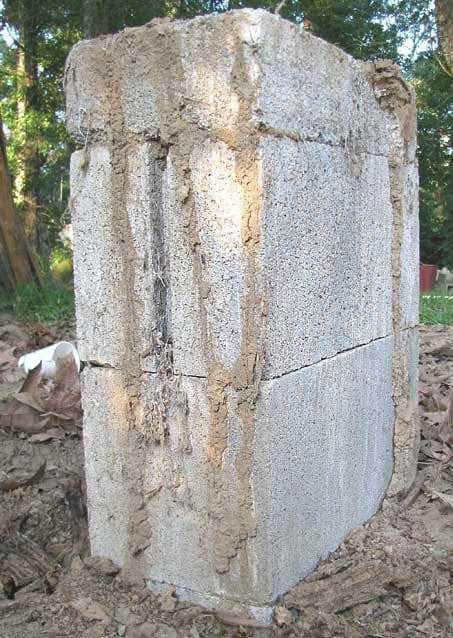
The most common signs are mud tubes on walls, hollow-sounding timber, soil packed into cracks, frass, discarded wings and holes in garden trees. Many homeowners only notice once damage is visible, which is why an inspection is worth doing whenever you see any of them. See the full list in 7 signs of termites in your house.
Flying termites deserve a special mention. If they swarm inside your home at dusk, a mature colony is nearby, possibly already in the building. Read what flying termites mean.
How much damage can termites do?
Termites eat timber from the inside out, leaving a thin outer shell, so damage often goes unnoticed until a door frame crumbles, a floor sags or a cabinet collapses. In homes we commonly find damage in kitchen cabinets, wardrobes, door and window frames, skirting, flooring and roof structures. In shops and warehouses, termites also eat stock, cartons and pallets.
The longer a colony feeds, the more expensive the repairs. The cost of treatment is usually small compared with the cost of replacing damaged timber and fittings.
How are termites treated in Malaysia?
There are three main approaches. Which one is right depends on whether termites are already active and whether the building is new.
- Termite baiting (colony elimination). Bait stations are placed in the soil around the building and on active spots inside. Workers carry the bait back to the colony, and the colony gradually dies off. The Sentricon® termite baiting system is the best-known example and our main recommendation for active infestations.
- Liquid soil treatment. A termiticide barrier in the soil, usually applied during construction before the floor slab is cast. See anti-termite treatment.
- Spot treatment and DIY sprays. These kill the termites they touch but rarely reach the colony, which is why termites often come back. Read the honest guide on how to get rid of termites.
For an overview of how we approach each job, see termite treatment.
How can you prevent termites?
You can't make a house termite-proof, but you can make it much less attractive:
- Fix leaks and damp spots in kitchens, bathrooms and around air-conditioner pipes
- Keep timber off the soil: firewood, old planks, garden furniture, wooden planter boxes
- Leave a gap between garden beds or mulch and the walls of the house
- Remove dead tree stumps near the house
- Treat the soil before you build or extend, and have the structure inspected before a big renovation
- Don't break mud tubes and walk away: get them inspected so the colony can be found
If you are not sure whether what you see is termites, compare them with ants in termites vs ants, or simply send us a photo.
When should you call a professional?
Call as soon as you see live termites, mud tubes or fresh damage, or if flying termites swarm indoors. Don't spray first: spraying scatters termites and makes the colony harder to find. A free inspection will tell you what you are dealing with, and what affects termite treatment cost explains how jobs are priced.
Frequently asked questions
What is anai-anai in English?
What are termites called in Malay?
Are termites dangerous to humans?
Can termites come back after treatment?
More termite guides
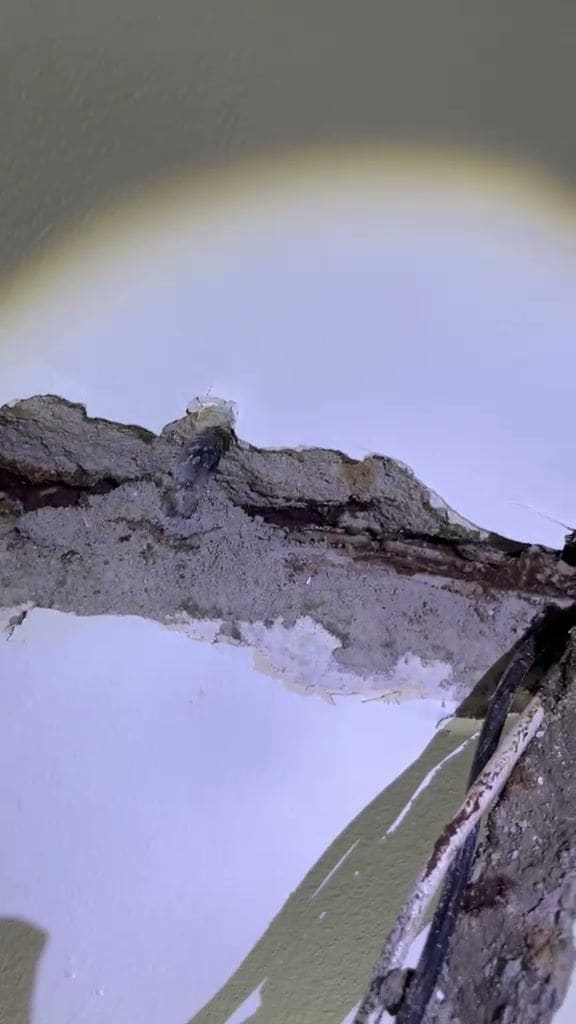
Do Termites Eat Concrete or Cement?
Termites can't eat concrete, but they tunnel through cracks, joints and weak plaster to reach the wood inside a concrete house. See it on a real job.
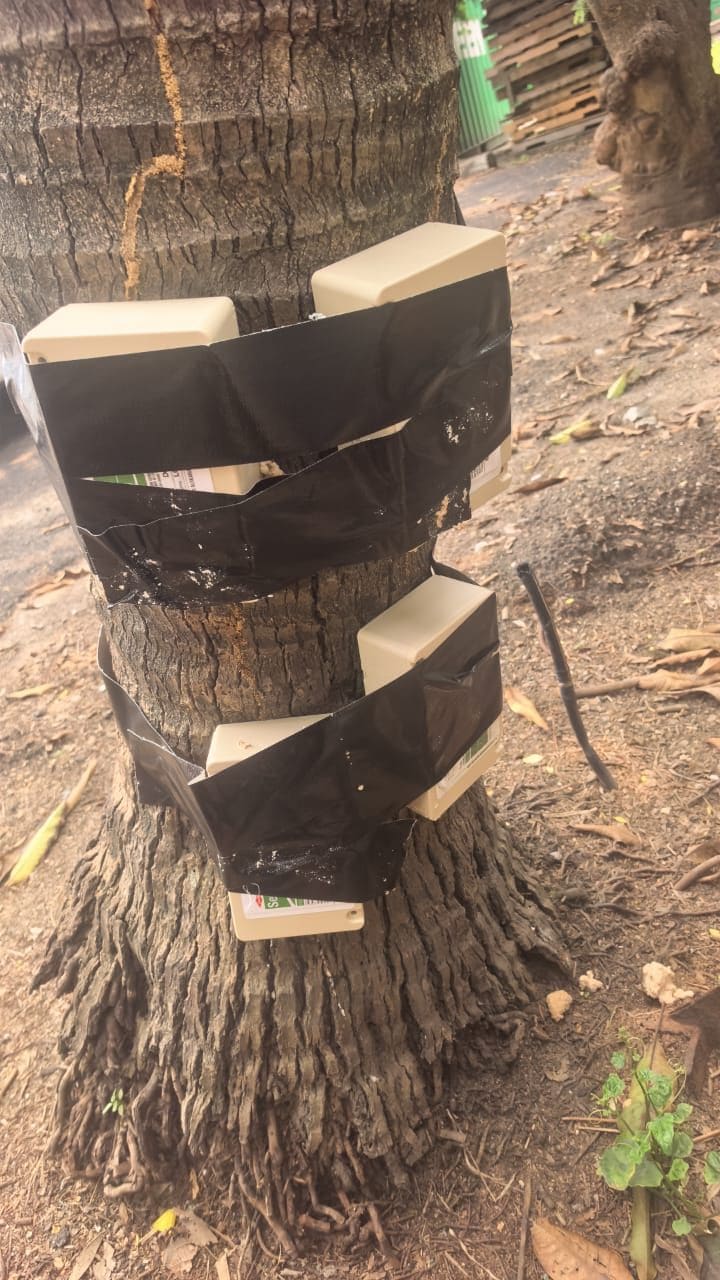
Termites in Trees: Signs and What to Do
Mud trails on bark, soil-filled cracks and hollow trunks mean termites in a garden tree. Why it matters for your house, and how we treat it.
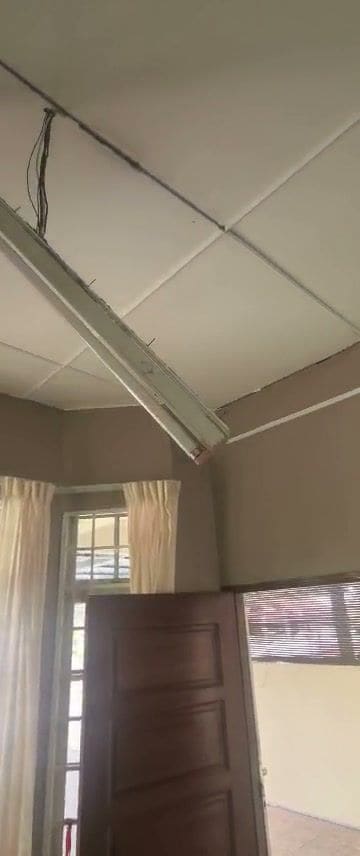
Termites in the Ceiling: Signs, Risks and What to Do
Mud tubes at the ceiling corner, sagging boards and loose light fittings can mean termites in the ceiling. See a real case, the risks, and what to do.
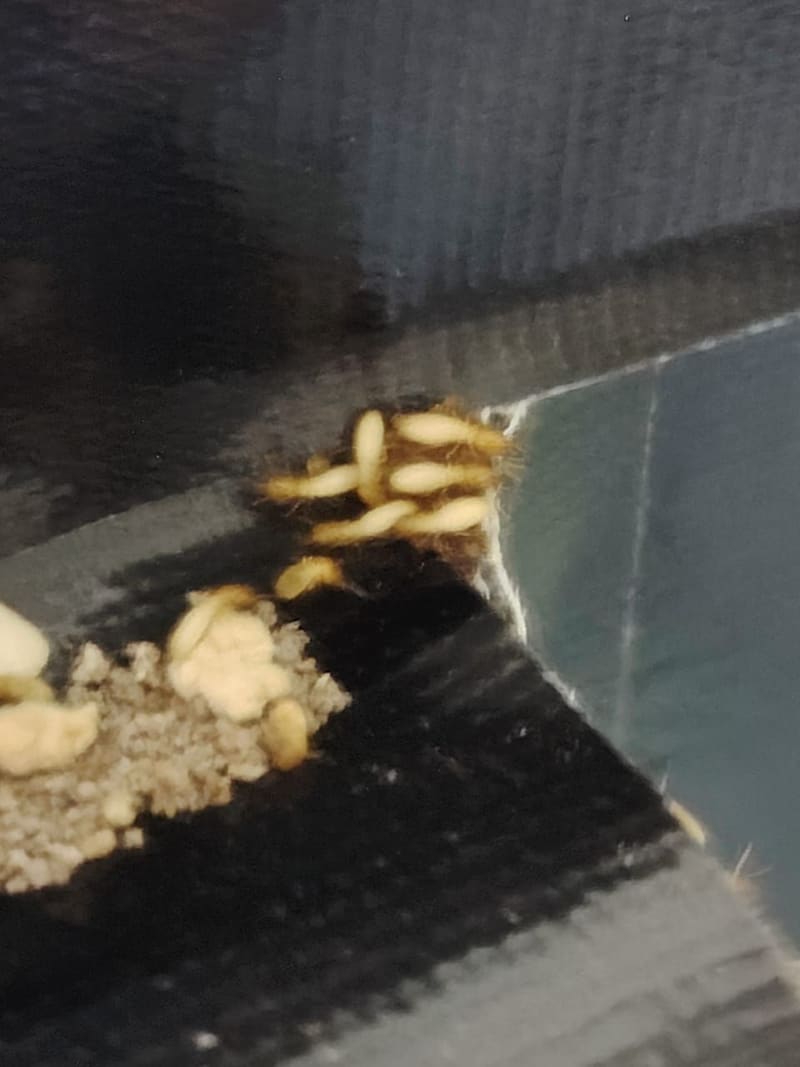
How Long Does Termite Baiting Take to Work?
What happens after termite bait stations go in, from the first feeding to the colony dying off, with photos from a real job. Free inspection on WhatsApp.
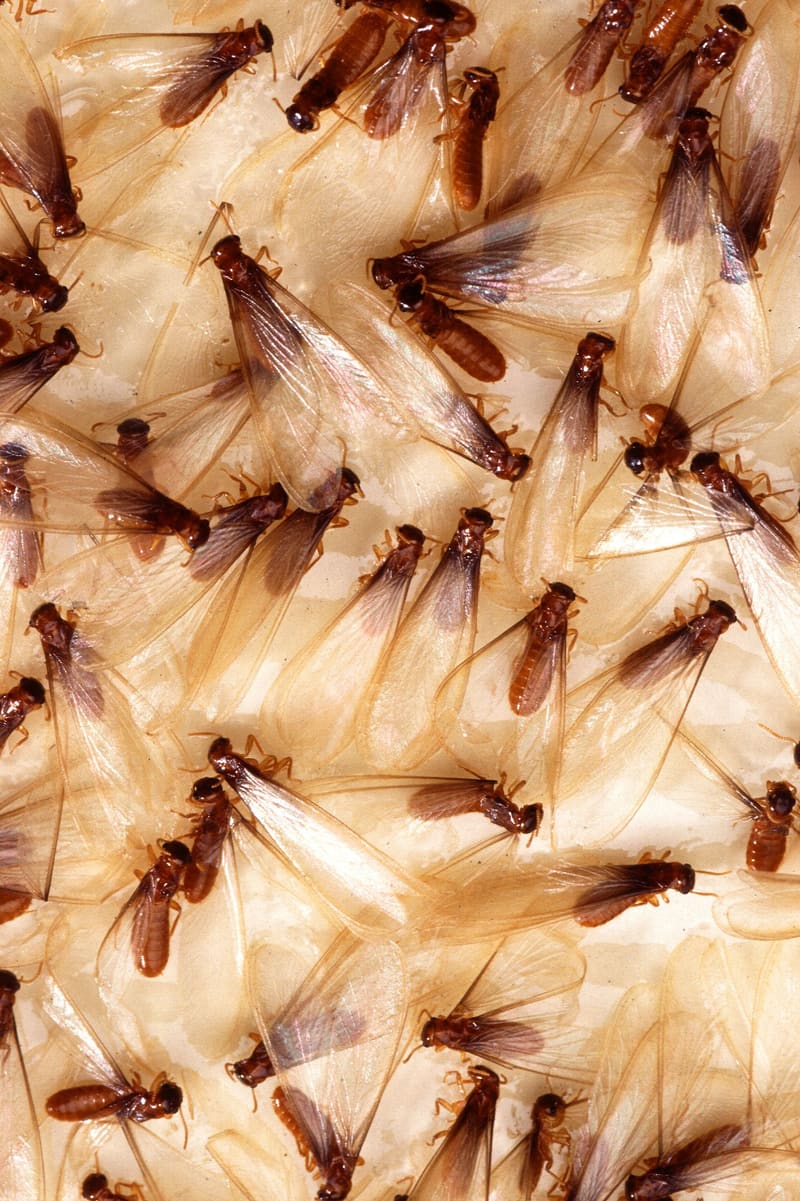
Flying Termites: What Swarmers Mean for Your Home
Flying termites (alates or swarmers) near your lights usually mean a colony is close by. Here is what they are, why they swarm and what to do next.
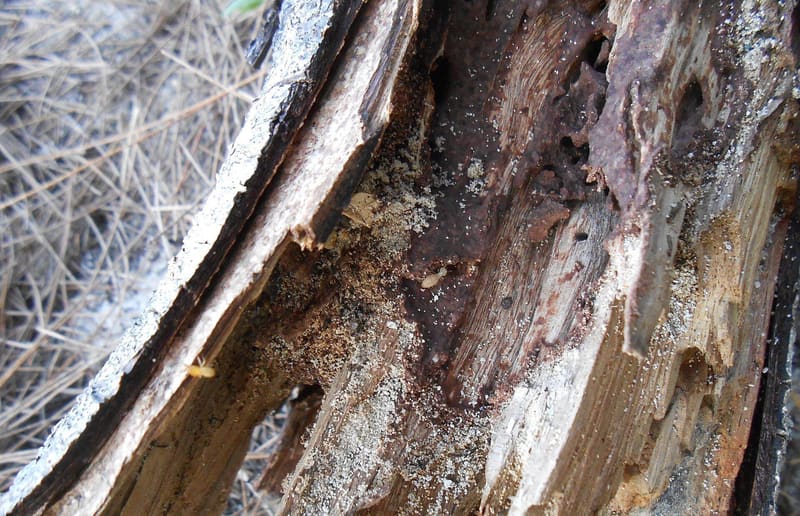
How to Get Rid of Termites: An Honest Guide
Termite spray, salt and DIY tricks kill the termites you see but rarely the colony. An honest guide to getting rid of termites for good in Malaysia.
7 Signs of Termites in Your House
Mud tubes, hollow-sounding wood, frass and discarded wings: the 7 signs of termites in a Malaysian house, and how to check your walls. Free inspection.
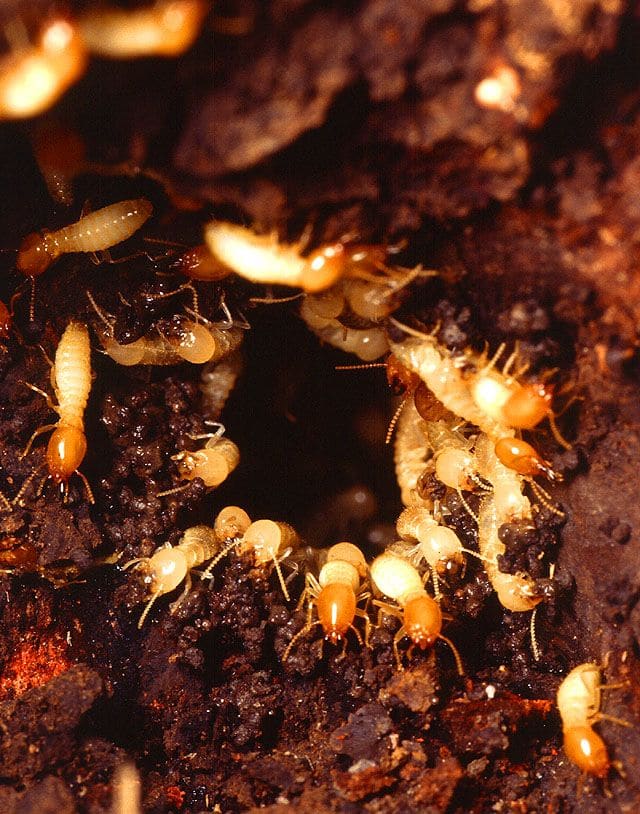
Termite Queen & Nest: How a Termite Colony Works
The termite queen keeps the colony growing. Learn how nests and mounds work, and why baiting the whole colony beats spraying the termites you see.
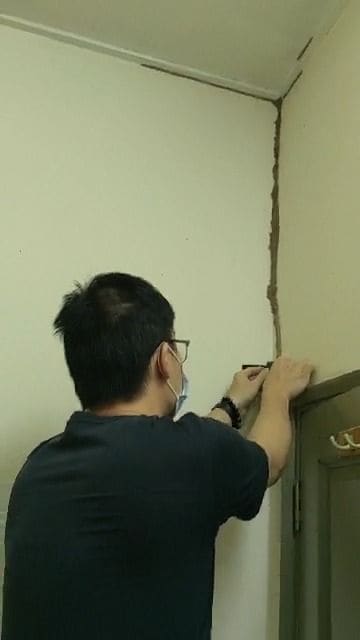
Termite Treatment Cost in Malaysia: What Affects the Price
What affects pest control and termite treatment prices in Malaysia: property size, infestation level and treatment type. Get a free inspection & quotation.
Termites vs Ants: How to Tell White Ants Apart
White ants are termites, not ants. Compare waist, wings and antennae to tell termites and flying ants apart, and know when to call for an inspection.