
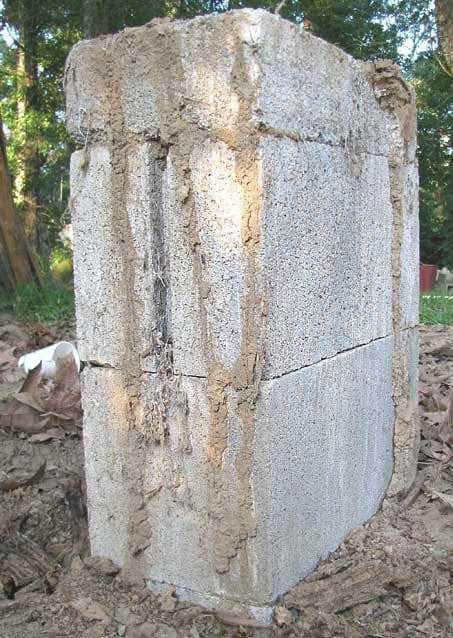
The seven signs of termites in a house are mud tubes on walls or floors, soil trails under tiles and timber, holes in garden trees, soil packed into cracks, hollow-sounding wood, frass (droppings) and discarded wings. Subterranean termites, the most common kind in Malaysian homes, stay hidden inside walls, floors and timber, so these signs are often all you will see until damage is serious.
Why termites are hard to spot
Subterranean termites avoid light and dry air, so they live and travel inside soil, timber and mud tubes. They eat wood from the inside out and leave a thin outer layer intact. A door frame can look normal while it is mostly hollow. That's why you need to know the signs, and why many homeowners in Malaysia only find out when a cabinet collapses or a floorboard gives way.
1. Mud tubes (shelter tubes)
Mud tubes are pencil-width tunnels made of soil, saliva and droppings, built along walls, floors, pillars, foundations and pipes. They let termites travel between the soil and your house while staying protected and moist.
Check the base of exterior and interior walls, the corners of the ground floor, behind kitchen and bathroom cabinets, around pipes, and the underside of staircases. Break a small piece off: if it is damp and you see pale termites inside, the tube is active. Then leave it alone and get it inspected.
2. Soil trails under tiles and timber
Subterranean termites tunnel just below surfaces. If you lift a loose floor tile, take up an old carpet, or move timber that has been lying on the ground, you may find soil-lined tracks or galleries underneath. Hollow-sounding floor tiles and laminated flooring that bubbles or lifts can also point to termites underneath.
3. Holes in garden trees
Termites hollow out living and dead trees, stumps and roots. Small holes in a trunk, cracks packed with soil, or a tree that sounds hollow when knocked, often mean a colony is close to the house. Colonies in garden trees regularly forage into nearby buildings. See termites in trees for what to look for and what not to do.
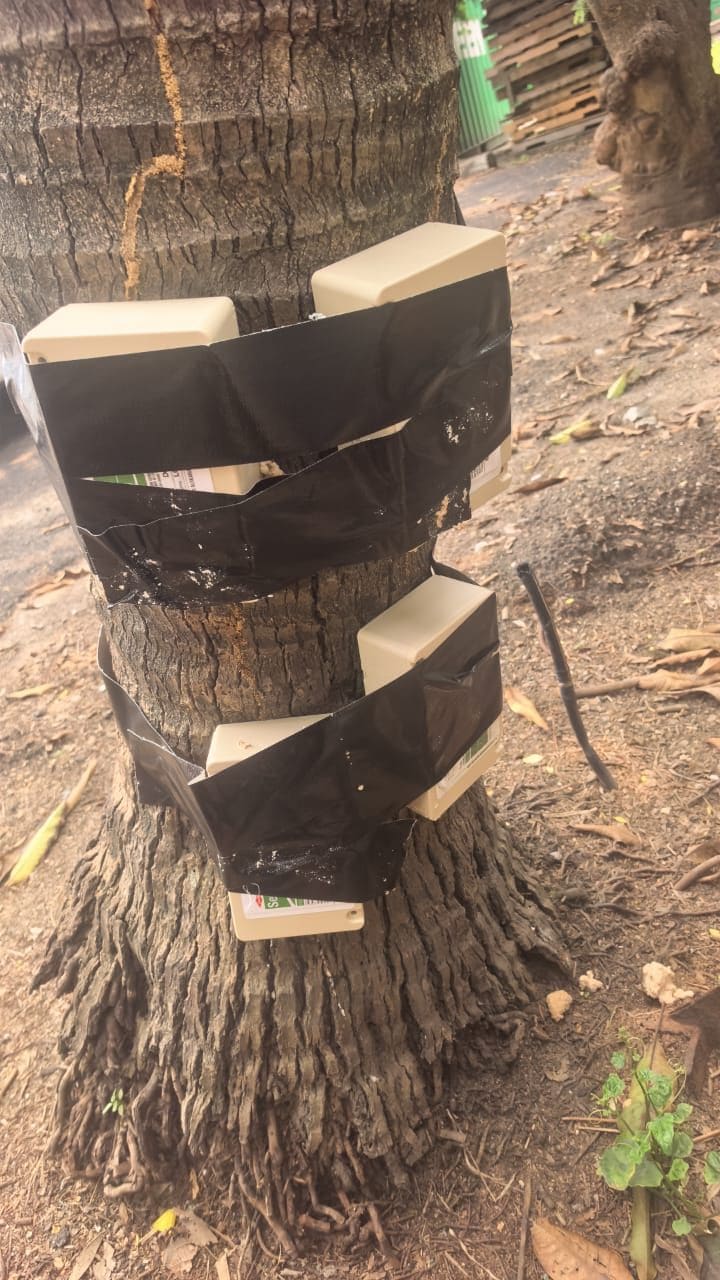
4. Soil packed into cracks (earthen packing)
Termites seal openings to keep out light and dry air. If you notice soil pushed into cracks in walls or floors, joints between tiles, or the gap between a door frame and the wall, that is termites closing off their working area.
5. Hollow-sounding wood and clicking sounds
Tap timber with the handle of a screwdriver. Sound wood gives a solid knock; termite-damaged wood sounds hollow or papery, and a screwdriver tip may push straight in. Check door and window frames, skirting boards, built-in wardrobes, kitchen cabinets, staircases and wooden ceilings.
You might also hear faint clicking from inside walls or timber, especially at night. Soldier termites tap their heads against the tunnel walls to warn the colony when they are disturbed.
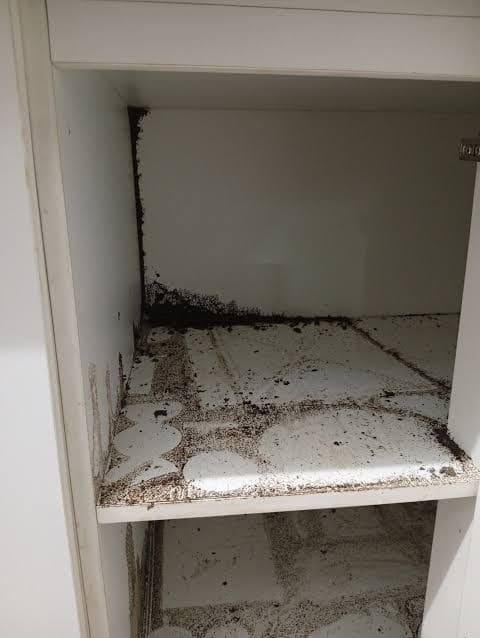
6. Frass (termite droppings)
Frass looks like tiny pellets of sawdust or coffee grounds, often in small piles under furniture, door frames or roof timbers. Drywood termites push their droppings out of small holes in the wood they live in. Subterranean termites use their droppings to build tubes, so you are less likely to see loose frass from them.
7. Discarded wings
Small piles of identical wings near windows, lights and door sills are left behind after a termite swarm. Flying termites (kelkatu) shed their wings as soon as they land. If the swarm came from inside your house, a colony is already in the building. Read what flying termites mean.
Other clues to watch for
- Bubbling or peeling paint that looks like water damage
- Doors and windows that suddenly stick, because termite activity adds moisture that warps frames
- Sagging floors or ceilings (see termites in the ceiling)
- Damaged books, documents or boxes in storerooms
How to check your house yourself
Walk the ground floor with a torch and a screwdriver. Check the base of every wall, door frames, skirting, inside and behind kitchen cabinets, bathrooms, under staircases and around pipes. Then go outside: walls at ground level, planter boxes, timber touching the soil, trees and stumps. Note anything suspicious, take photos, and don't disturb it.
If you are not sure whether it is termites or ants, see termites vs ants.
Found a sign? What to do next
Leave it in place and arrange an inspection. A free termite inspection will trace the activity to its source and recommend treatment. For active infestations, we usually recommend the termite baiting system, which eliminates the colony instead of just the termites you found.
For background on how termites live and spread, read termites in Malaysia: the complete guide.